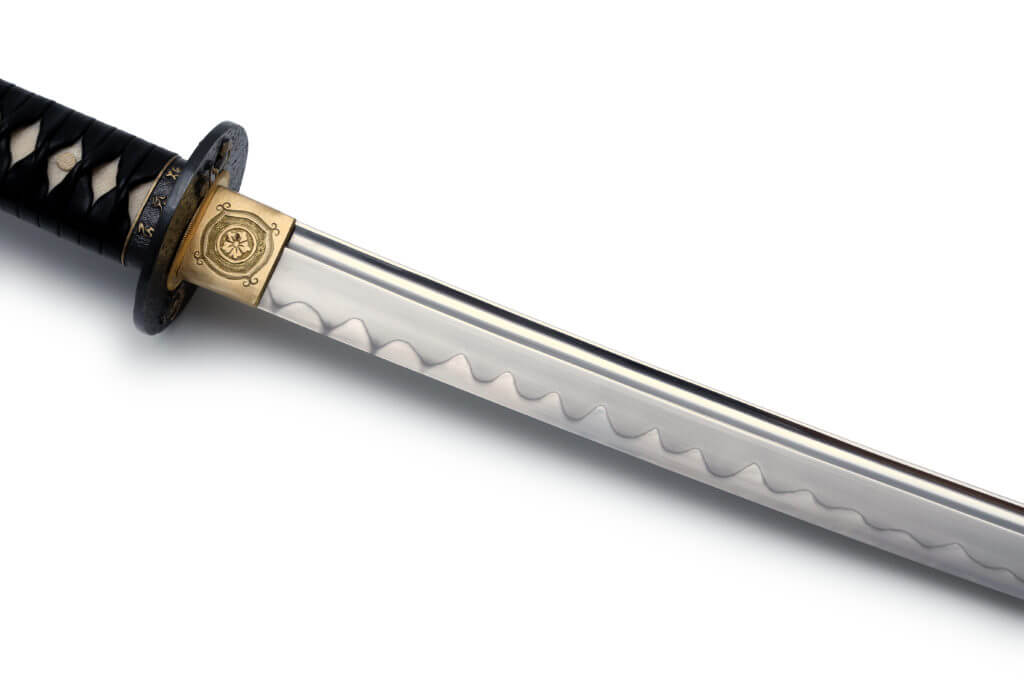
Die Hamon ist die Härtelinie auf der Klinge eines Samuraischwertes.
Jeder Schmied hat für die Hamon seine eigene „Handschrift“, es haben sich aber allgemein beliebte Ausprägungen etabliert, die häufig benutzt werden.
Die Hamon ist ein wichtiges, sichtbares Qualitätsmerkmal einer Schwertklinge.
Da es echte und gefälschte Hamon gibt, möchten wir den Unterschied erklären.
Wie entsteht eine echte Hamon?
Die Hamon entsteht bei der Differential hardening einer Klinge.
Eine noch nicht gehärtete Klinge wird mit einer Mischung aus Lehm, Wasser, Holzkohleasche und feingemahlenem Schleifstein bestrichen. Dabei wird der Schneidenbereich sehr dünn mit der Lehmmischung bestrichen, wobei der Rest der Klinge dick bestrichen wird. Für bestimmte Muster, werden feine Querlinien aufgetragen.
In diesem Lehmmantel wird die Klinge dann wieder erhitzt, bis sie eine Temperatur von ca. 800ºC bis 900ºC erreicht. Danach wird sie schockartig abgekühlt. Dadurch, dass der Lehmbestrich an der Schneideseite dünner ist, kühlt dieser Bereich schneller ab als der Rest der Klinge. Die innere Struktur des zuvor erhitzen Metalls verändert sich mit der plötzlichen Abkühlung. Durch das schnelle Abkühlen an der Schneide sammeln sich dort andere Bestandteile als am restlichen Korpus der Klinge. Optisch hat es den Effekt, dass sich auf der Klinge die Hamon bildet, sie zeigt optisch den Übergang zwischen hartem und weichem Material und damit auch den Übergang der unterschiedlichen Verteilung der Bestandteile im Stahl.
Die Hamonlinie wird bei der weiteren Bearbeitung der Klinge besonders heraus gearbeitet, damit sie am Ende gut zur Geltung kommt.
Je nach Lichteinfall kann die Hamon unterschiedlich aussehen.
Hier drei Beispielbilder der gleichen Klinge:
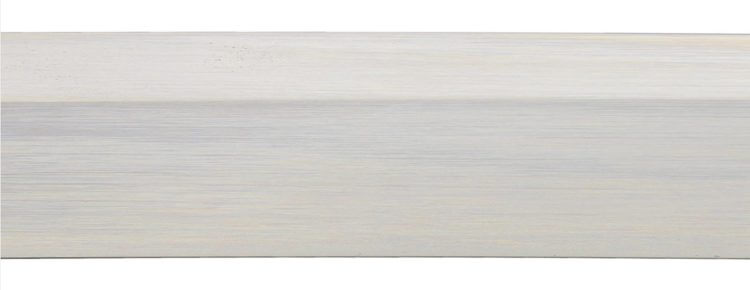
Hier ist sie kaum zu sehen
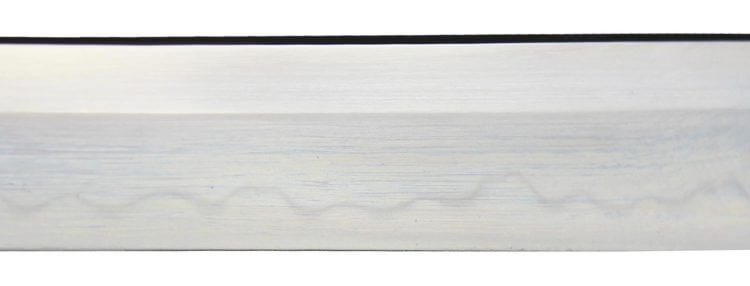
Aus dieser Perspektive zeigt sich die Hamon
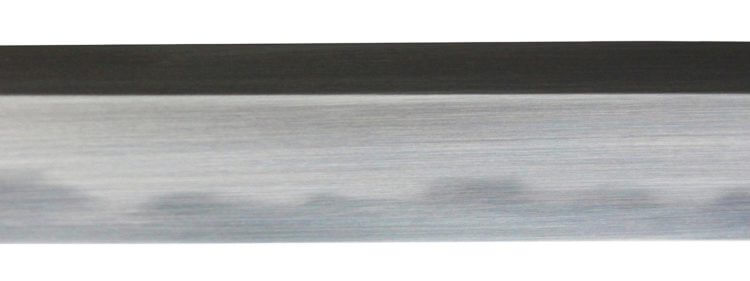
Die gleiche Klinge aus einer dritten Perspektive
Die „gefälschte“ Hamon
Durch Schleifen, Bürsten oder Ätzen wird eine künstliche Härtelinie erzeugt. Eine Fake-Hamon wird benutzt, um der Optik einer differenzialgehärteten Klinge mit günstigen Mitteln möglichst nahe zu kommen. Diese Hamon entstehen durch die Manipulation der Oberfläche der Klinge und nicht durch ihre innere Struktur.
Es gibt verschiedene Methoden, um eine gefälschte Hamon zu erzeugen:
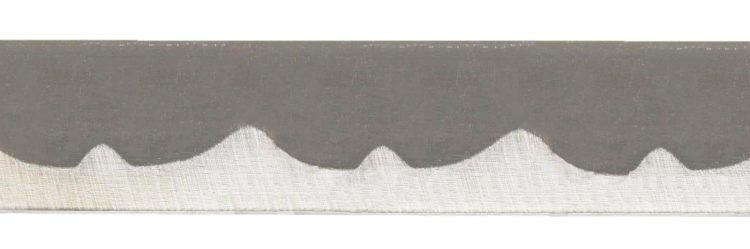
Klinge mit eingeschliffener Hamon
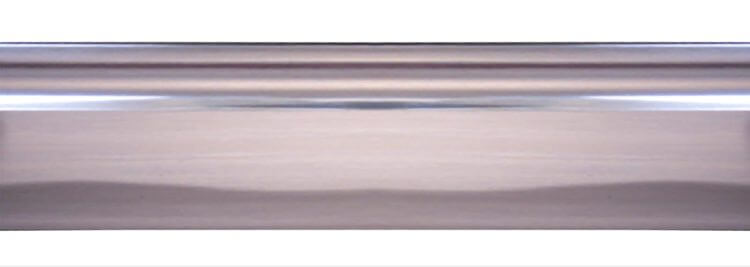
Klinge mit eingeätzter Hamon
Typische Muster der Härtelinie
Das Muster einer echten Hamon ist davon abhängig, wie genau der Schmied die Klinge gestalten möchte. Es gibt unendlich viele Gestaltungsvarianten. Wir stellen hier ein paar vor, die weit verbreitet oder besonders spektakulär sind:
Ito Suguha oder Hoso Suguha
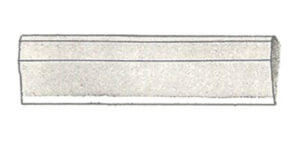
Narrow-straight
Chu Suguha
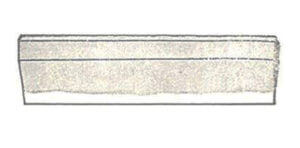
Medium-wide-straight
Hiro Suguha
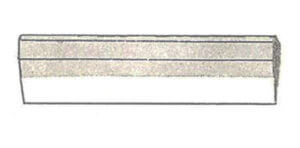
Wide-straight
Notaries
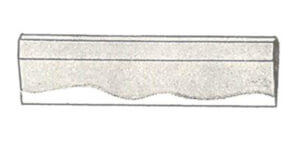
Große Wellen
Suguha Hotsure
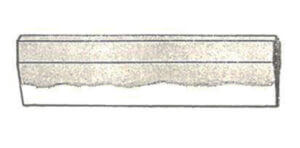
Gerade, unregelmäßig gewellt
Gunome
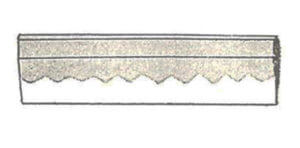
Regelmäßiges Zickzack
Gunome unregelmäßig
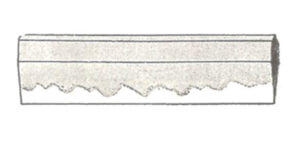
Unregelmäßiges Zickzack
Nokogiri Ba
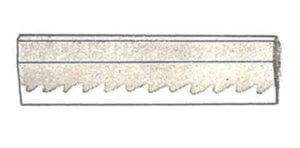
Sägezahnförmiges Zickzack
Sanbon Sugi
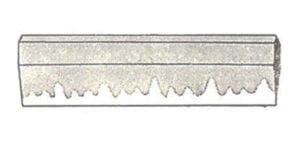
Three-cedar zigzag
Mimi Gata
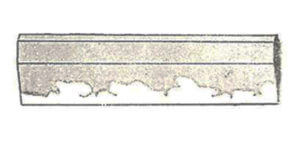
Ear-shaped
Yahazu
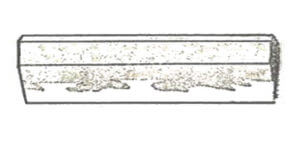
Swallowtail
Sudare Ba
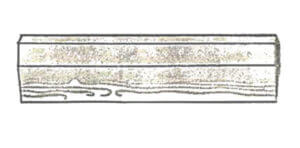
Bamboo strip curtain
Kiki Sui

Chrysanthemen und Fluss
Quelle für Hamongestaltungen: „Das Samuraischwert“, 2004 beim Ordonnanz-Verlag erschienen

 German
  English
  French